
You get a text that just says “Ditto.” You look at your screen and wonder what it means. It seems simple, but you are not fully sure. Maybe you are afraid to reply the wrong way. Many people feel the same way when they see this word in a chat.
Ditto is a short reply that means “same here” or “me too.” People use it to agree without typing a long message. Say your friend writes, “I love this song so much.” You can reply, “Ditto.” It is quick, friendly, and easy for anyone to understand.
The word comes from an old Italian term that meant “said before.” Over time, it turned into a handy way to repeat what another person said. Today, you will see it in texts, DMs, and comment sections. It saves time and keeps the chat light. That is why learning what ditto mean in texting is so useful.
In this guide, you will learn the meaning of ditto in simple words. You will see real examples and easy tone tips. You will also find out when to use it and when to skip it. By the end, you will know how to reply with ditto like a pro.
Ditto Mean in Texting
Ditto Meaning in Text – Quick Definition
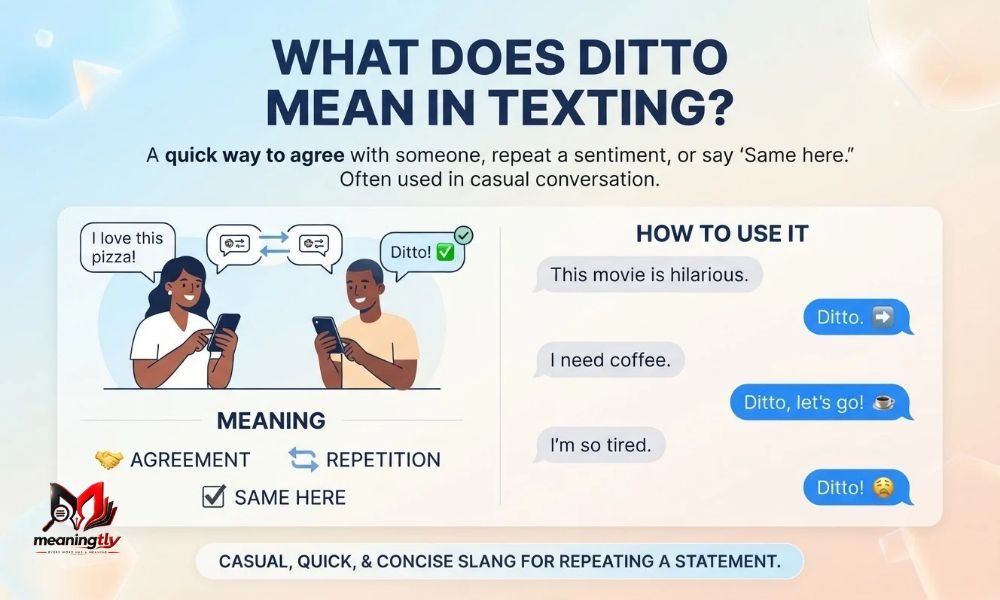
“Ditto” means “the same” or “same here.” In texting, it shows that you agree with what the other person just said. It also shows that you feel the same way.
Think of it as a shortcut. Instead of repeating a full sentence, you type one word. The other person gets your point right away.
Here is the quick version:
- Word: Ditto
- Short meaning: Same here
- Also means: Me too, likewise, same as you
- Tone: Casual, warm, quick
- Best for: Friends, family, partners, social media
The ditto meaning works because it points back. It always refers to the message before it. Without that message, the word has no meaning.
Simple Examples
Examples make the ditto meaning easy to see. Read these short chats.
Example 1
- Her: “I love pizza nights.”
- Him: “Ditto.”
He means, “I love pizza nights too.”
Example 2
- Friend: “I’m so tired today.”
- You: “Ditto.”
You mean, “I’m tired too.”
Example 3
- Mom: “Love you.”
- Son: “Ditto.”
The son means, “I love you too.”
Example 4
- Coworker: “Can’t wait for the weekend.”
- You: “Ditto!”
You mean, “Same here, I can’t wait either.”
In each case, “ditto” copies the feeling, not the word. It repeats the idea in a single beat.
Origin & Background
“Ditto” is not a new slang word. It is much older than texting. Its roots go back to Italy.
The word comes from the Italian word detto. It means “said.” It is the past tense of the verb dire, which means “to say.” Italian merchants used it in business records.
They wrote it in account books and lists. It told the reader, “same as the line above.” This saved ink, time, and space. English speakers picked it up in the 1600s.
Early on, “ditto” appeared in lists and invoices. A clerk could write an item once. Then he could write “ditto” under it for repeats.
The mark “〃” is also called a ditto mark. People used it in tables and ledgers. It still appears in some old documents.
So the ditto meaning has always been about repeating. That idea has not changed in centuries. Only the setting has changed.
How It Evolved
The word moved from paper to speech over time. People began saying “ditto” in daily talk. It meant “same here” or “I agree.”
Then it moved into pop culture. A famous movie scene made it feel romantic. In that film, one partner says “I love you.” The other answers “ditto.”
That scene shaped how many people hear the word. It gave “ditto” a soft, loving side. Before that, it was mostly plain and practical.
Then came the internet. Chat rooms, SMS, and later apps reshaped it. People wanted fast replies. “Ditto” fit perfectly.
Here is a simple timeline:
| Period | How “Ditto” Was Used |
| 1600s | Business lists and ledgers |
| 1800s | Everyday speech for “the same” |
| 1900s | Casual agreement in talk |
| 1990s | Pop culture and romance |
| 2000s–now | Texting, DMs, and comments |
Today the ditto meaning in text is about speed and warmth. It still carries its old sense of “same as before.”
Real-Life Conversations (How People Actually Use “Ditto”)
Rules are helpful. Real chats are better. Here is how people use “ditto” on popular apps.
1. WhatsApp Chat
WhatsApp chats are fast and personal. People use “ditto” with friends and family. It keeps the flow going.
Chat sample:
- Ali: “Bro, I’m starving.”
- Sam: “Ditto. Biryani?”
- Ali: “Yes. Meet at 8.”
Here, “ditto” agrees and moves the plan forward. It does not stop the chat. It speeds it up.
Another sample:
- Sara: “Miss you, yaar.”
- Hina: “Ditto 🥺”
The emoji adds feeling. The ditto meaning here is “I miss you too.”
2. Instagram DMs
Instagram DMs are often playful. People reply to stories and reels with “ditto.” It feels light and friendly.
Chat sample:
- Friend: “This song is on repeat for me.”
- You: “Ditto 😭🔥”
You are saying, “Same, I’m obsessed too.” The emojis show excitement.
Sometimes a reply to a story is just “ditto.” It tells the person, “I relate to this.”
3. Text Messages
Plain text messages are where “ditto” feels most natural. It is common between couples and relatives.
Chat sample:
- Partner: “Good night. Love you.”
- You: “Ditto. Sleep well.”
The reply is short but warm. The extra words soften it. That makes it feel caring.
Another sample:
- Dad: “Traffic is crazy today.”
- You: “Ditto. Left late.”
Here the ditto meaning is plain agreement. No romance is involved.
4. TikTok Comments
TikTok comments move quickly. People use “ditto” to show they relate. It also boosts the comment’s reach.
Comment sample:
- Creator: “Who else stays up till 3 AM?”
- Viewer: “Ditto 😂”
The viewer joins the crowd. Many others may reply “ditto” too. It builds a sense of community.
Sometimes people reply to another comment. They type “ditto” under it. It means, “I agree with this person.”
Emotional & Psychological Meaning
A single word can carry feeling. The ditto meaning goes beyond plain agreement. It can show closeness, comfort, or even distance.
Why People Use It
People use “ditto” for many reasons. Most are simple.
- Speed: It is quick to type.
- Comfort: It feels safe and low-pressure.
- Agreement: It confirms a shared feeling.
- Humor: It can sound playful.
- Shyness: Some people find it hard to say “I love you.” “Ditto” feels easier.
That last point is common. A shy person may avoid big words. “Ditto” lets them respond without feeling exposed.
Others use it to stay brief. Busy people reply this way during work hours. It keeps the chat alive without much effort.
What It Reflects
The word can reveal a mood or a bond. Here is what it may show.
| Tone | What It May Reflect |
| Warm | Care and closeness |
| Playful | Friendship and humor |
| Short and flat | Low energy or distance |
| Shy | Hidden feelings |
| Quick | Busy schedule |
Context matters most. “Ditto” with a heart is warm. “Ditto.” alone can feel cold. A full stop often makes it sharper.
Psychologists note that short replies can signal comfort. Close people do not need many words. They already understand each other.
But short replies can also signal distance. If someone always says “ditto” and nothing more, think about the pattern. One word may not be enough in a deep talk.
Usage in Different Contexts
The ditto meaning stays the same everywhere. But the right way to use it changes. Let’s look at each setting.
1. Social Media
On social media, “ditto” is common and safe. It works well in comments and replies. It shows you relate to a post.
Use it when:
- A post matches your feeling.
- You agree with another comment.
- You want to join a trend.
Add emojis to keep the tone friendly. A “ditto 😂” feels light. A bare “ditto” can feel dry.
2. Friends & Relationships
With friends, “ditto” feels easy and fun. You can use it often. It shows you are on the same page.
In romance, it can be sweet. It can also feel lazy. Saying “ditto” to “I love you” is classic. Some partners love it. Others want the full words.
Tips for couples:
- Mix it with other phrases.
- Add a heart or a nickname.
- Say the full words on special days.
Both partners should feel heard. If one wants more, say so kindly.
3. Work or Professional Settings
At work, use “ditto” with care. It is fine in quick team chats. It can feel too casual in emails.
Safe uses:
- Slack or Teams replies with close teammates.
- Quick agreement during a group chat.
Avoid it when:
- Writing to clients.
- Emailing a boss.
- Sending formal reports.
In those cases, use “I agree,” “Likewise,” or “Same here.” These sound more polished.
4. Casual vs Serious Tone
“Ditto” fits casual talk best. It sounds relaxed. In serious talks, it can feel too small.
Imagine a friend shares bad news. Replying “ditto” would feel odd. They need real words and support.
Use this simple rule:
| Situation | Is “Ditto” Okay? |
| Fun chat | Yes |
| Love note | Yes, with warmth |
| Sad news | No |
| Formal email | No |
| Quick team chat | Yes |
When emotions run high, write more. People remember kindness more than speed.
Common Misunderstandings
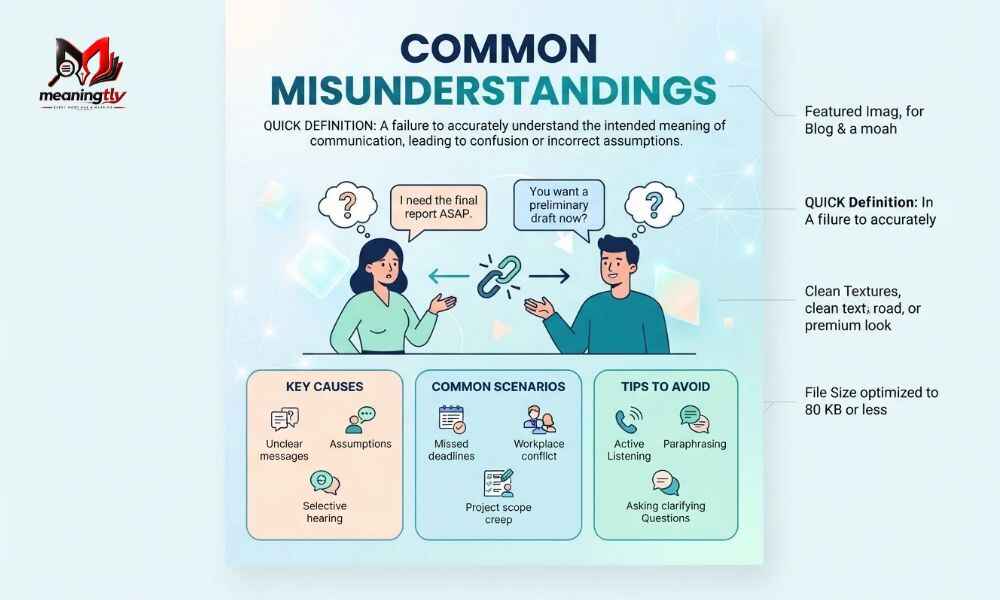
Many people get the ditto meaning wrong. Small errors can cause awkward moments. Here are the main ones.
1. Thinking It’s Always Romantic
Some think “ditto” always means love. That is not true. The movie link made this idea popular. But the word is broader.
“Ditto” can show:
- Agreement
- Shared mood
- Shared opinion
- Shared love
If a friend says “ditto” after “I’m bored,” it is not romantic. It just means “me too.”
2. Assuming It Means Copying
Others think “ditto” means copying someone. In the old sense, it did mean repeating. But in texting, it is not about copying words.
It is about matching a feeling or idea. You are not stealing the line. You are sharing it.
Though in some cases, people do use it jokingly for copying. For example, “I’ll have ditto” at a café means “the same order.” That is a different, playful use.
3. Using It in Formal Writing
“Ditto” feels casual. Using it in formal writing can look unprofessional. Reports, essays, and official emails need clear language.
Better options include:
- “Likewise”
- “The same applies”
- “I share this view”
- “As above”
Keep “ditto” for chats and casual notes.
4. Overusing It
Too much “ditto” can feel dull. If you reply with it all the time, people may think you are not engaged.
Try these fixes:
- Add a short follow-up.
- Use emojis or names.
- Share your own detail.
For example, instead of “Ditto,” try “Ditto, and I’m craving tea too.” This makes the chat feel richer.
Comparison Table
“Ditto” has close cousins. Here is how the ditto meaning compares with other common replies.
| Phrase | Meaning | Tone | Best Use |
| Ditto | Same here | Casual, warm | Friends, couples |
| Me too | I feel the same | Neutral | Almost anywhere |
| Same | I relate | Very casual | Quick chats |
| Likewise | The same to you | Polite | Work, formal |
| Same here | I agree | Friendly | Daily chats |
| Agreed | I agree | Firm | Opinions, work |
| +1 | I support this | Techy | Groups, forums |
| Right back at you | Same to you | Playful | Friends, banter |
Key Insight
“Ditto” sits between casual and warm. It is shorter than “me too” and softer than “same.” It also carries a hint of old-school charm.
Choose it when you want a quick, friendly nod. Pick “likewise” when you need polish. Pick “agreed” when you want to sound firm.
Variations / Types of “Ditto” (Modern Usage)
The ditto meaning has grown new forms. People now play with the word. Here are the common ones.
1. Plain “Ditto”
The classic form. Simple and clear. “Ditto.” means “same here.”
2. “Ditto!”
The exclamation mark adds energy. It sounds happy and excited.
3. “Ditto 😂”
Pairs agreement with humor. Great for funny posts.
4. “Ditto ❤️”
Adds love. Common between partners and family.
5. “Dittoo” or “Dittooo”
Extra letters stretch the word. It shows strong feeling or playful drama.
6. “Ditto that”
Means “I agree with that.” It is a bit more formal.
7. “Same ditto”
A casual double. It stresses strong agreement.
8. “Big ditto”
Adds weight. It means “I fully agree.”
9. “Ditto to you”
Returns a wish. For example, “Have a great day!” gets “Ditto to you.”
10. “Ditto ditto”
Playful repeat. Often used between close friends.
These forms show how flexible the word is. People tweak it to fit their style and mood.
How to Respond When Someone Says “Ditto”
Sometimes you receive “ditto.” Now what? Your reply depends on the tone. Here are options for each mood.
Casual Replies
Keep it easy and friendly.
- “Haha, we think alike.”
- “Great minds, right?”
- “Love that we agree.”
- “Same page, then.”
- “Perfect. Let’s do it.”
Use these for everyday chats. They keep the talk moving.
Funny Replies
Humor makes the chat fun.
- “Are we twins?”
- “Stop copying me 😂”
- “Ditto? Original, as always.”
- “Okay, now I’m worried.”
- “We should start a club.”
These work best with close friends. Avoid jokes if the topic is serious.
Mature / Confident Replies
Sometimes you want a calm, grown-up answer.
- “Glad we feel the same.”
- “Good to know we’re aligned.”
- “That means a lot to me.”
- “I appreciate that.”
- “Then we’re on the same path.”
These sound steady and sure. They work in relationships and mature chats.
Private or Respectful Replies
Some moments need care. Use these when feelings are deep or the other person is more reserved.
- “Thank you for saying that.”
- “I’m happy you feel this way.”
- “That is kind of you.”
- “I value this.”
- “Let’s talk more later.”
These replies stay gentle. They respect personal space and feelings.
Quick tip: Match their energy. If they sent a heart, send warmth back. If they were brief, keep it short too.
Regional & Cultural Usage
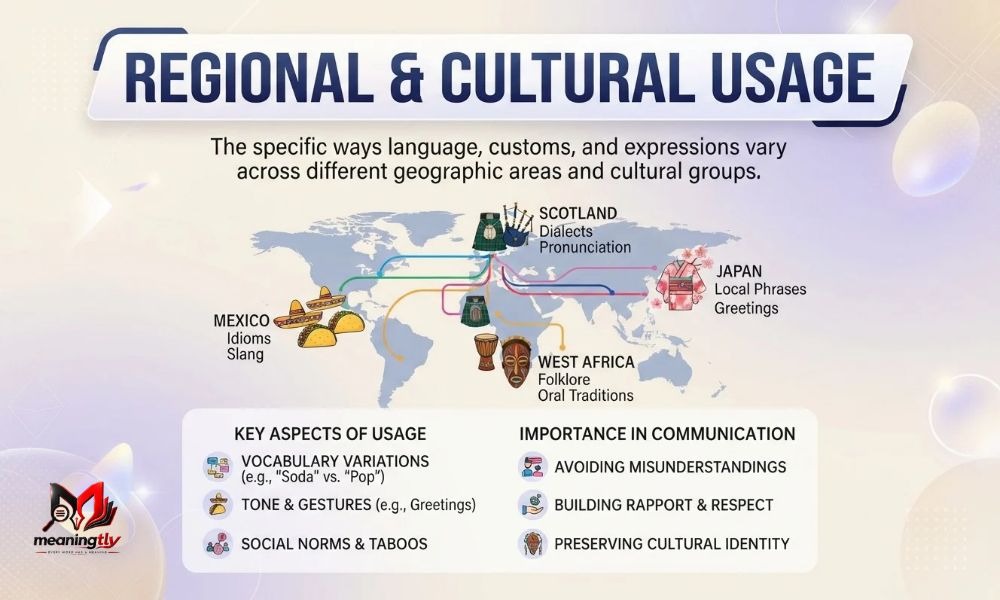
The ditto meaning is the same worldwide. But how people use it differs by culture. Let’s look at the main regions.
Western Culture
In the US, UK, and Canada, “ditto” is common. People use it in speech and texts. It feels casual and familiar.
Movies and TV helped spread it. Many link it to romance. Still, friends use it all the time.
It also shows up in workplaces in casual form. A team might say “ditto” in a quick chat.
Asian Culture
In parts of Asia, English slang blends with local languages. “Ditto” appears in chats among young people. Many mix it with their own words.
For example, a user may write a local phrase and then add “ditto.” It feels trendy and global.
In some places, direct affection is less spoken. So “ditto” can be a gentle way to show love. It feels safe and soft.
Middle Eastern Culture
In Middle Eastern countries, English chat slang is popular among youth. “Ditto” often appears in mixed-language chats. People may pair it with Arabic or Urdu phrases.
Respect and modesty matter in many families. So people may choose “ditto” over bolder words. It keeps the tone polite.
In South Asian chats, users often write in Roman Urdu or Hinglish. “Ditto” fits in easily. For example: “Mujhe bhi, ditto.”
Global Internet Usage
Online, borders fade. Gamers, streamers, and fans use “ditto” everywhere. It is part of global internet talk.
Key points:
- It is easy to understand.
- It works across many apps.
- It needs no translation in most chats.
So the ditto meaning is now widely shared. A teen in London and a teen in Lahore will read it the same way.
FAQs
1. What does “ditto” mean in texting?
It means “same here” or “me too.” It shows you agree or feel the same as the other person.
2. Is “ditto” rude or polite?
It is neither by default. It is polite with a warm tone and emojis, but it can feel cold if it is the only word you send.
3. Can “ditto” be used romantically?
Yes. Many people use it as a short “I love you too.” Adding a heart makes it feel sweeter.
4. Is “ditto” the same as “me too”?
Almost. Both show agreement. “Ditto” feels a bit warmer and more playful.
5. Can I use “ditto” in professional emails?
It is best to avoid it. Use “likewise” or “I agree” in formal writing instead.
6. Why do people use “ditto” instead of typing full sentences?
It is fast and easy. It also keeps chats light and saves effort.
7. Is “ditto” outdated?
No. It has lasted for centuries and is still common in chats, DMs, and comments.
Final Thoughts
Ditto means “same here” or “me too” in texting. People use it to agree with someone without typing a long reply. It is a short word, but it says a lot. That is why it is so popular in casual chats.
You can use ditto with friends, family, and your partner. It works best after messages like “I love you” or “I’m so tired today.” It saves time and keeps the chat warm and friendly. Just make sure the mood fits the moment.
Tone matters a lot when you use ditto. A lone “ditto.” can sound cold or lazy to some people. Adding a smiley or a few extra words makes it feel kind. For special moments, a full sentence is always sweeter.
Avoid ditto in formal emails and serious conversations. Use complete sentences with your boss, teacher, or clients. Keep ditto for relaxed chats with people you know well. Now you understand the meaning, so you can use it with confidence.
